

The problem
Deaths, disappearances, detention and deportations at borders rarely leave clean evidence. The evidence exists, scattered across tips, testimonies, field notes from different organisations and collectives, media reports, litigation filings, satellite traces, and unofficial lists.
Total Incident Ecology (TIE) is how we turn fragmented, low-visibility incidents into a single, corroborated evidence base that institutions, courts, and journalists can act on. Where each individual incident may be easy for states to deny, dismiss, or bury, large, verified datasets and patterns are not. TIE allows us build those patterns.
Since its first deployment, TIE findings have been discussed by the Bosnian parliament, cited by the United Nations, and covered by international media.

Our Publications
Our publications use a combination of traditional open source investigation methodologies and Total Incident Ecology. Where we have used TIE to build a report, essay, or institutional submission it has been labeled, and where we have found another methodology was more appropriate we have specified as such.
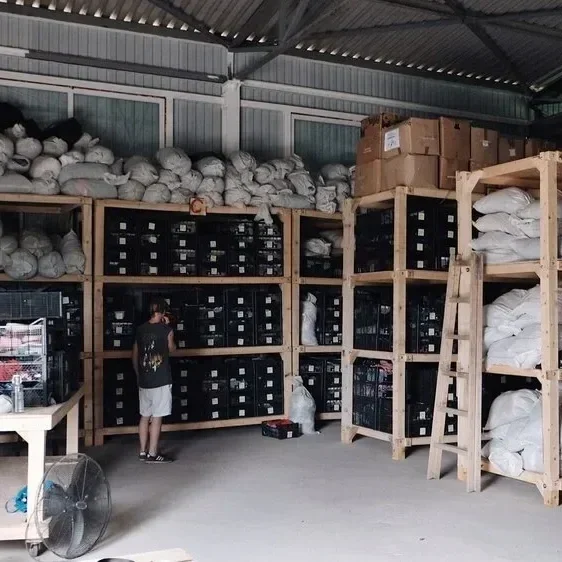
SEE OUR REPORTS
Read our investigative reporting on critical trends throughout the year, and every month
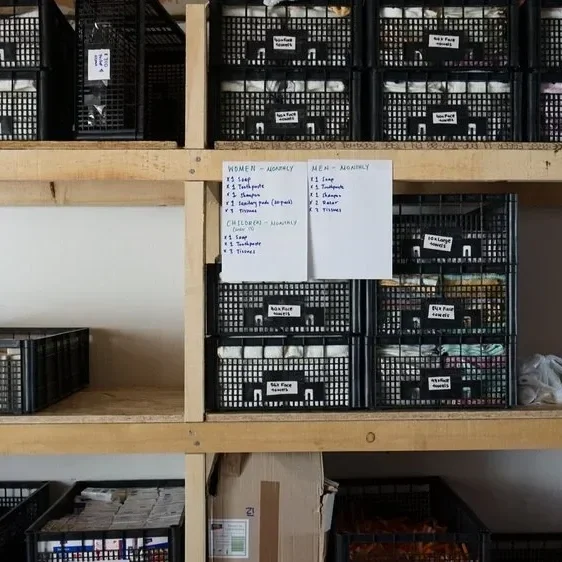
SEE OUR ESSAYS
Read our essays and updates and reflections on our work, our research and our findings regularly.
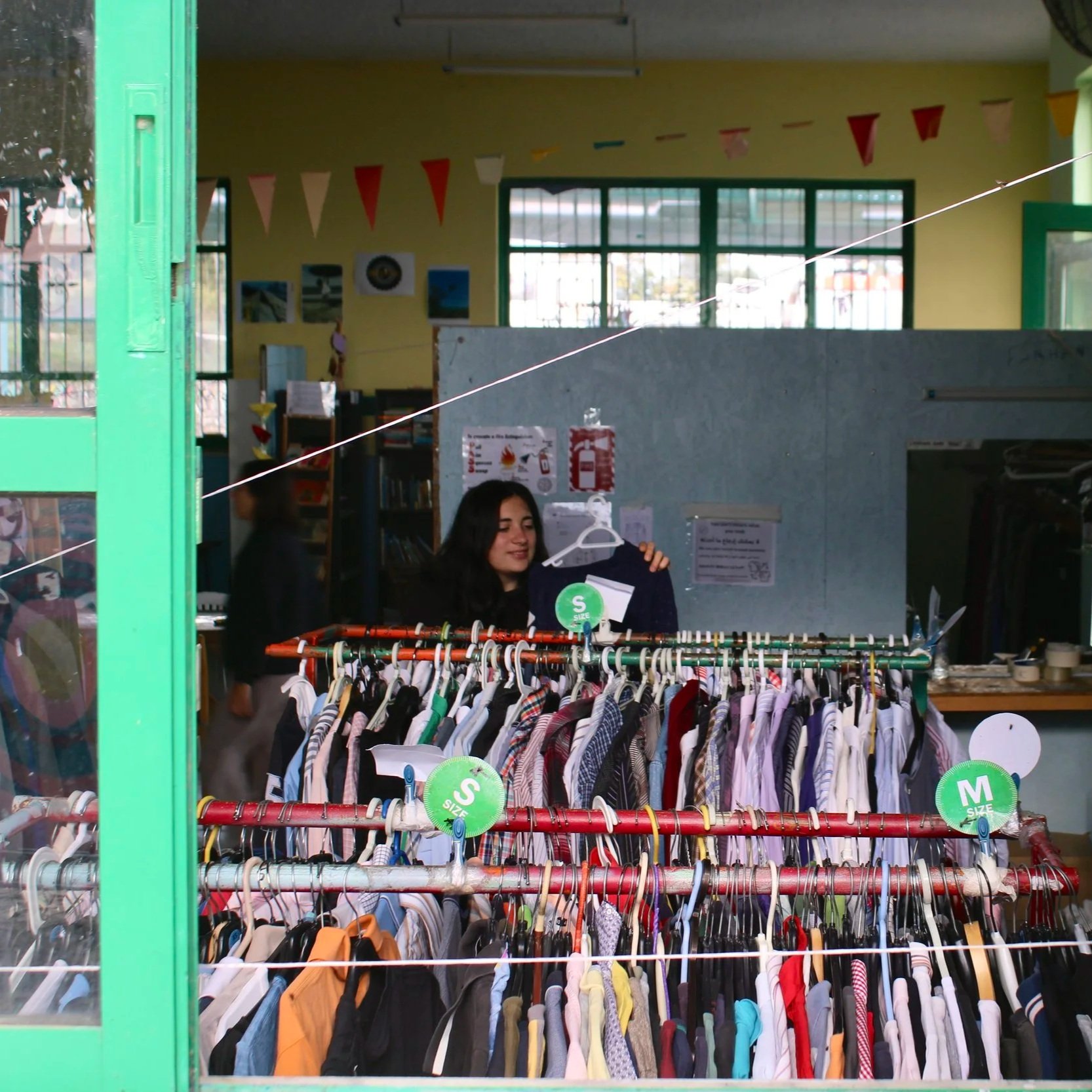
SEE OUR POSITIONS
Read our official positions that we issue in response to key issues and developments.

SEE OUR CITATIONS
Read where our findings have been cited by institutional human rights and fundamental rights channels.
How TIE works

Collect
TIE lets us pick up large volumes of dispersed data about harms and transform them into corroborated evidence of systemic violence.

Corroborate
We segment and verify incident information across sources, formats, and actors to organise and map the systemic picture.
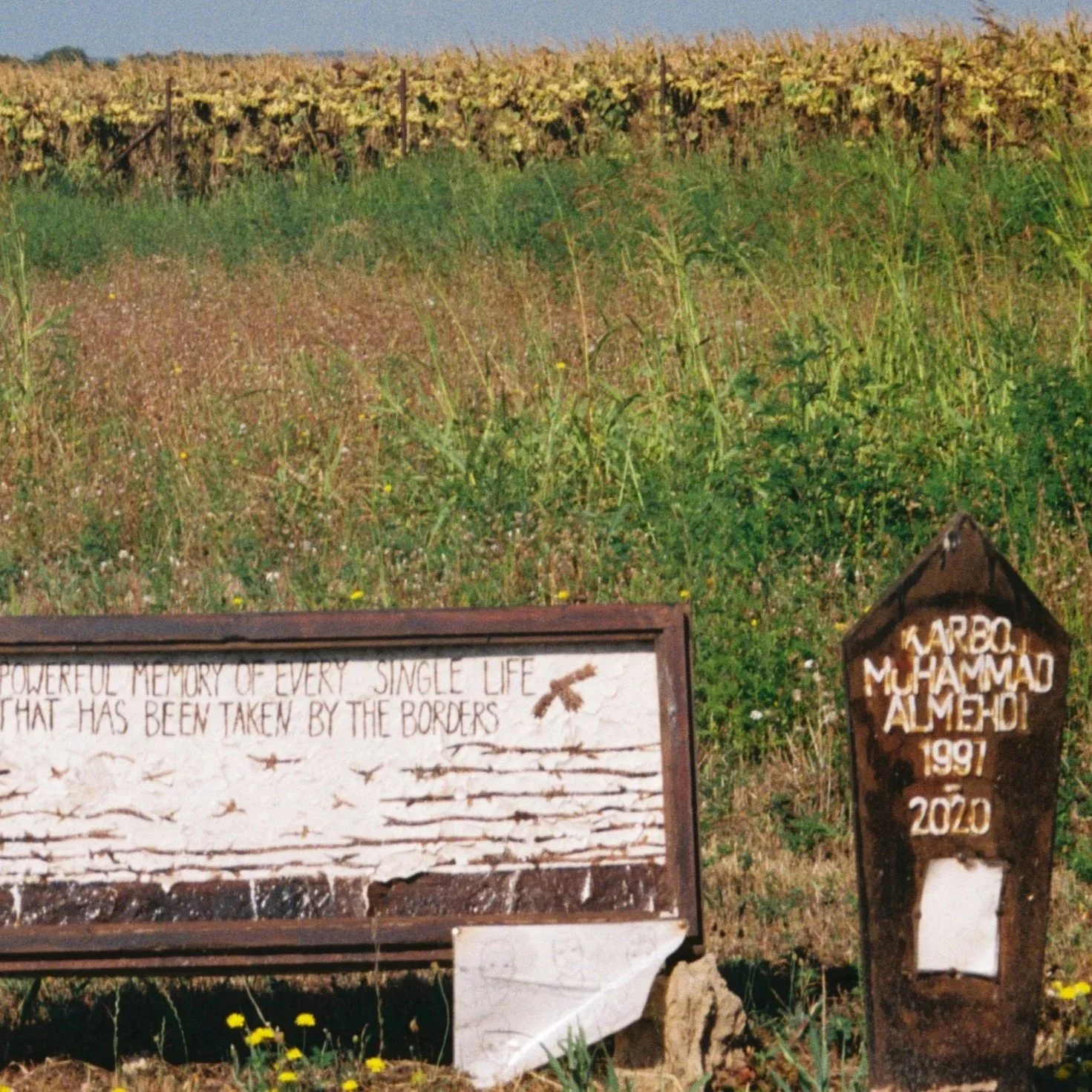
Translate
TIE is a reproducible investigative architecture, built to be used by anyone seeking to move from isolated accounts to defensible systemic claims.
