

The problem
Deaths, disappearances, detention and deportations at borders rarely leave clean evidence. The evidence exists, scattered across tips, testimonies, field notes from different organisations and collectives, media reports, litigation filings, satellite traces, and unofficial lists. That fragmentation is why there is so much impunity: because individual incidents rarely meet the threshold for policy change, strategic litigation, or public accountability.
TIE exists to document these trends, challenge accountability failures and advocate for protective, rights-based alternatives that prevent inevitable tragedies. Since its first deployment, TIE findings have been cited in the Bosnian parliament, referenced in proceedings in Geneva, cited by the United Nations, and covered by international media. The methodology works because the evidence it produces is structured to deliver results.

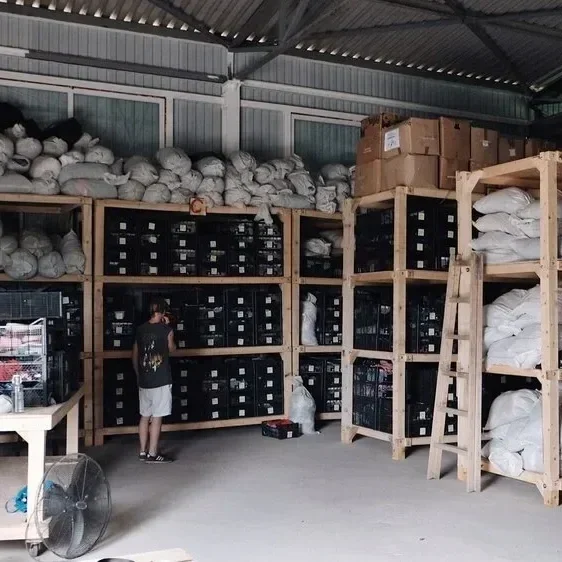
SEE OUR REPORTS
Read our thematic reports using TIE on critical issues throughout the year, and every month
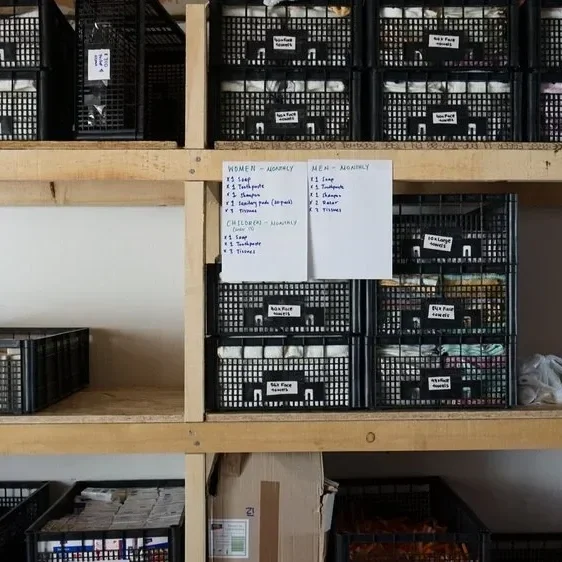
SEE OUR ESSAYS
Read our essays and updates that use TIE to develop informed reflections on our work.
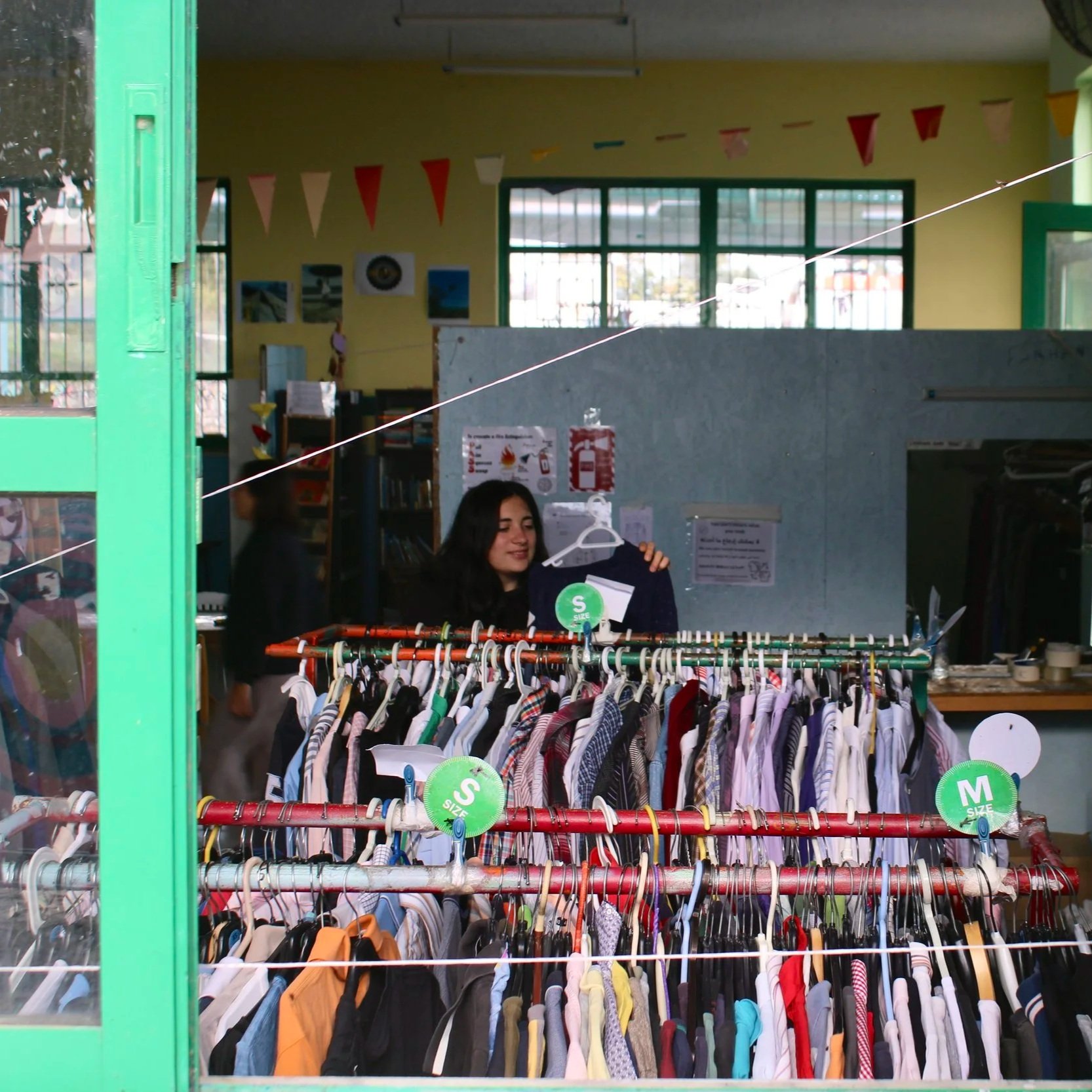
SEE OUR POSITIONS
Read our official positions that we issue in response to key issues and developments.

SEE OUR CITATIONS
Read where TIE has been cited by institutional human and fundamental rights channels.
How it works

Collect
TIE is designed to be a structured method for transforming dispersed, low-visibility data about harms into corroborated evidence of systemic violence. Individual incidents may be contestable. Patterns in a large enough dataset are not.

Corroborate
TIE works by integrating all known incident information across sources, formats, and actors, and revealing the systemic evidence of violence at borders.

Translate
TIE is a reproducible investigative architecture, designed to be used by civil society, researchers, journalists, and legal practitioners who need to move from isolated accounts to defensible claims about systemic wrongdoing.
