

Every life lost on a border is not inevitable, it is a policy choice. Our strategy is to unite frontline assistance, data-driven investigation, and civil society capacity to stop preventable deaths and build a stronger humanitarian ecosystem.
This is how we turn solidarity into a system.

The problem: The humanitarian ecosystem is under threat
Across Serbia, Bosnia, Greece and beyond, organisations and civil society efforts are collapsing. Remaining teams are burning out. Political hostility is escalating. As the ecosystem of solidarity thins, deaths increase and the people our ecosystem supports are left sleeping rough, invisible, and unprotected.
There has to be another way: not through charity or through state aid, but through collective capacity.
When aid actors collaborate instead of compete, when research meets action, when solidarity becomes systemic, lives can change.

The Strategy: Focus on three issues
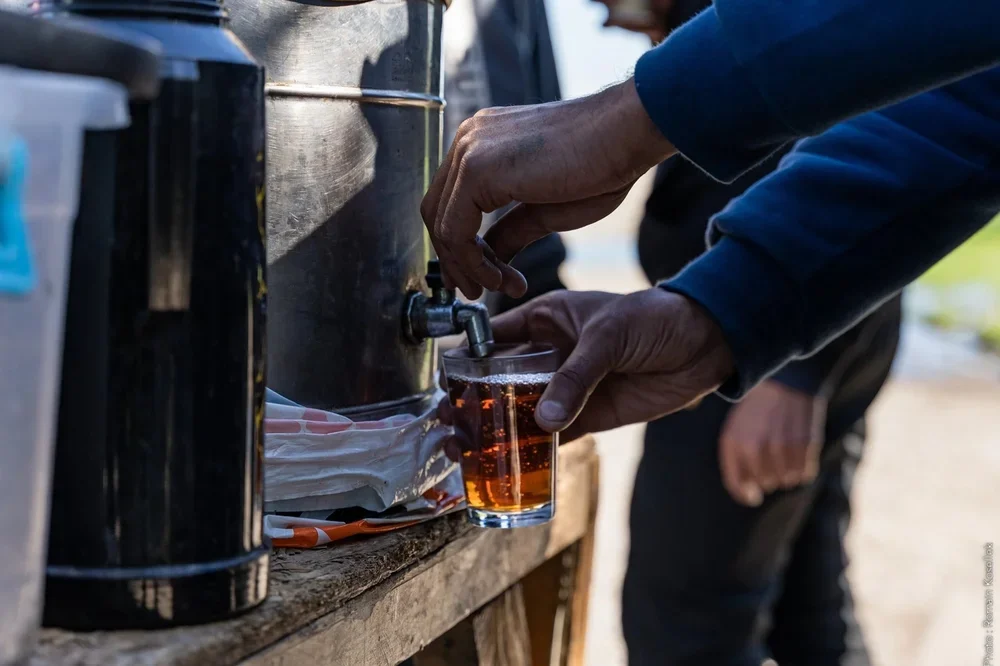
Provide essential support including clothing, hygiene, water, laundry, showers across strategic border areas where needs and risk of exposure are greatest. Stabilise the most vulnerable, build trust and create the foundation for deeper change.
RELIEF →
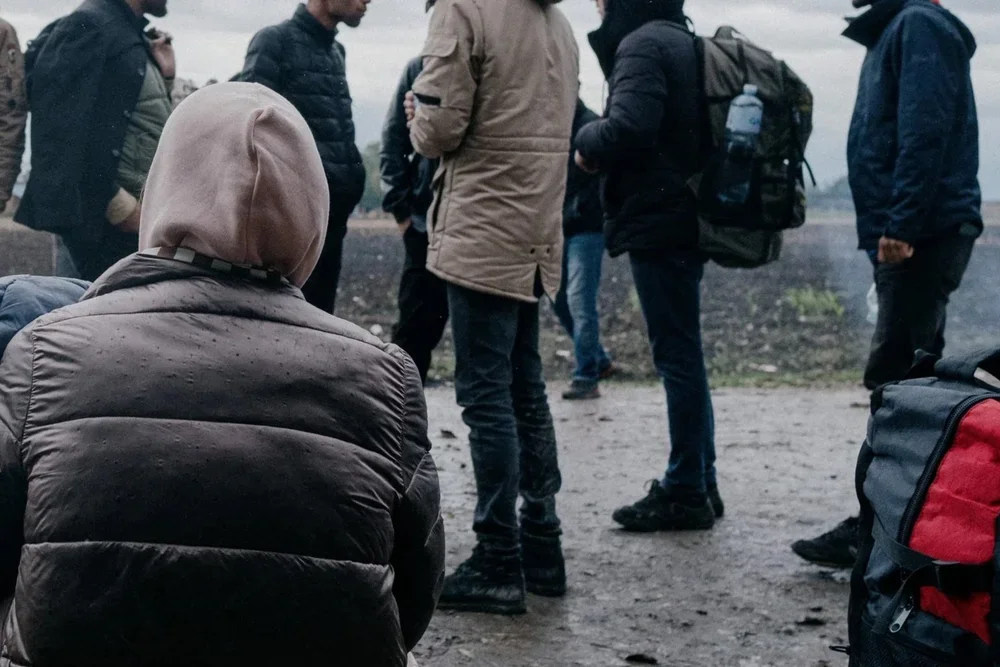
Operate research and investigations to document violence, disappearances and deaths along migration routes. The invisible cannot be held accountable, so data must be collected taken to the institutions that can ensure accountability.
REVEAL
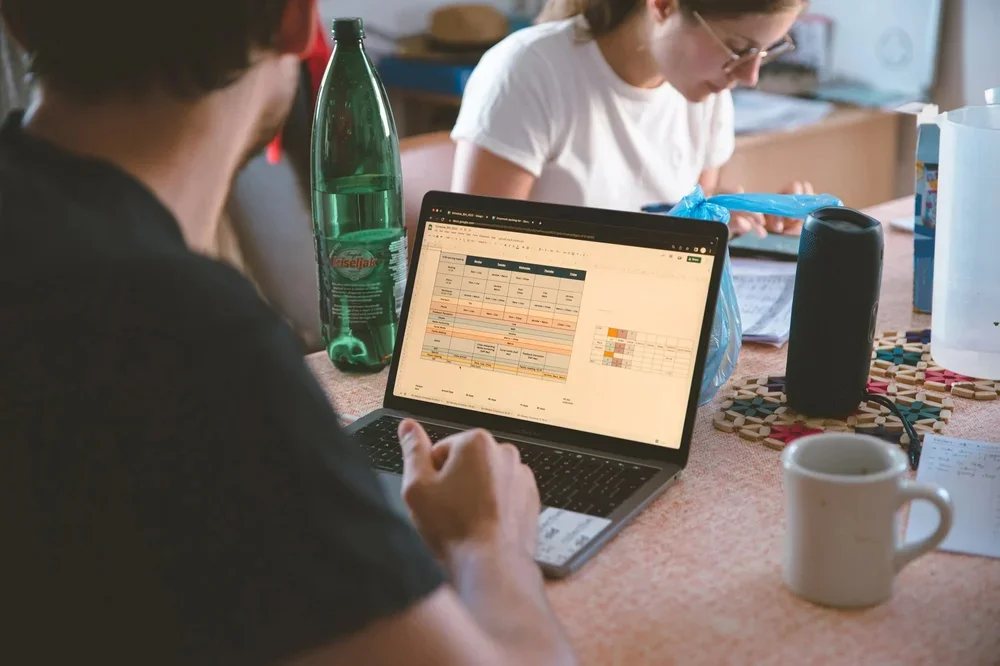
Train, equip and connect local actors, ensuring that collective capacity outlives any single project. When local civil society networks and leaders are strong, solidarity with displaced people is greater and people are supported further into the future.
→ RESILIENCE
The Theory of Change: Change happens one link at a time
If basic needs are met, people can take part in advocacy.
↓
If evidence of abuse is reported, accountability becomes possible.
↓
If civil society is strong, states can be held accountable.
↓
When all three connect, we begin to address deaths at borders.

Pillars of Change: Guiding pillars of action to support our goals
1. Mutual Protection Model:
By 2026, we will pool logistics, warehousing, training and even funding with our partners, building shared capacity across the ecosystem.
2. Integrated Services:
Our investigative work directly informs our assistance delivery, closing the gap between humanitarian aid and human rights action.
3. Visibility Equity Principle:
We redistribute voice and legitimacy to smaller, local, and migrant-led groups, challenging power imbalance in aid.
4. Experts by Experience Leadership:
People with lived experience of migration are actively invited to co-design our programmes and governance shaping the movement from within.

You are part of this strategy
Change at this scale does not come from one of us acting alone. It comes from collective aid.

Partner with us
Organisations, brands and groups support our collaborative network across Europe.
Join us
Our community of regular givers and donors help to sustain our work in the long term.

Share us
Help us to challenge harmful narratives about displacement and borders.
